
Introducing preschoolers to art is like opening a door to imagination, creativity, and boundless joy. At this age, children are learning to express themselves, explore colors, shapes, and textures, and develop fine motor skills—all while having fun. These ten easy art ideas for preschoolers combine simplicity, creativity, and sensory play, making them perfect for parents, teachers, or caregivers looking to inspire young artists.
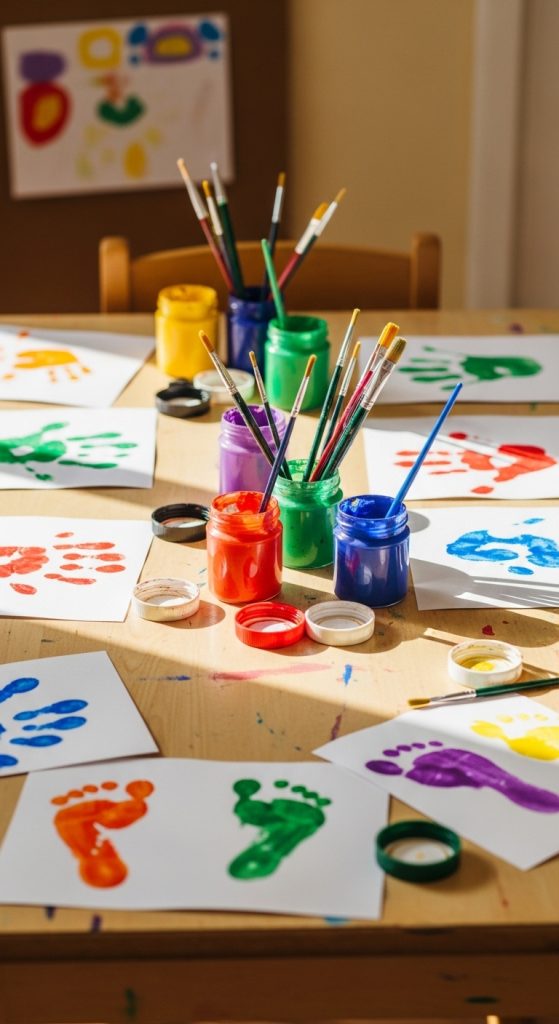
1. Handprint and Footprint Art
Handprints and footprints are timeless preschool art activities. Using non-toxic, washable paints, children can create animals, flowers, and even abstract designs. The beauty of this activity is its simplicity—every print is unique, capturing the tiny details of little hands and feet.
Benefits: Enhances fine motor skills, encourages creativity, and creates memorable keepsakes.
How to do it:
- Cover a table with newspaper.
- Pour small amounts of paint onto a palette.
- Let the child dip their hands or feet into the paint and press onto paper.
- Turn the prints into animals, trees, or flowers by adding simple drawn details.
2. Sponge Painting
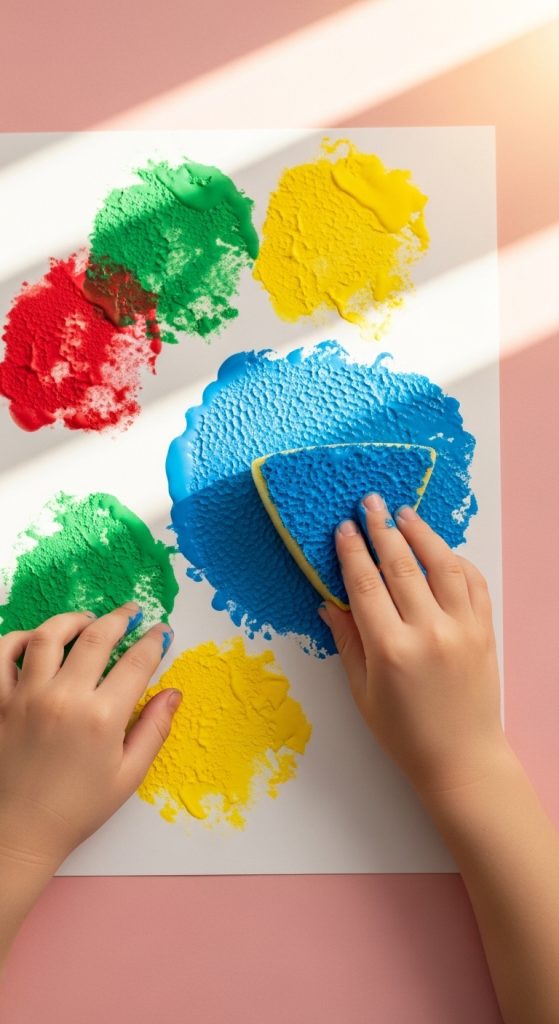
Sponge painting introduces texture to preschool art. Children can use cut-up sponges in various shapes to stamp patterns or designs onto paper. This activity is exciting because every print feels different, allowing children to experiment freely.
Benefits: Teaches pattern recognition, hand-eye coordination, and color mixing.
How to do it:
- Cut sponges into triangles, circles, or fun shapes.
- Dip them into paint and press onto paper.
- Encourage layering colors for a vibrant effect.
3. Bubble Wrap Stamping
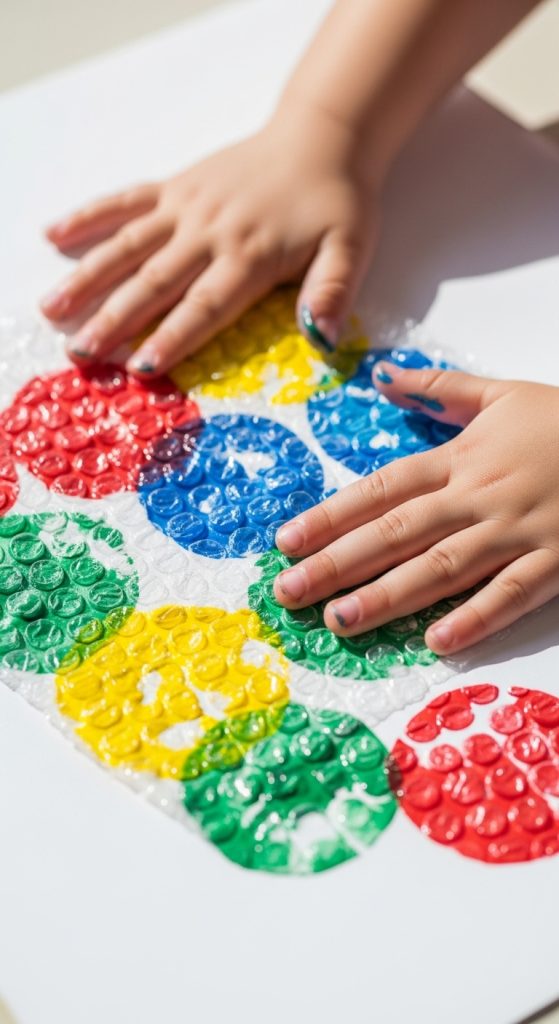
Bubble wrap isn’t just for packing—it’s a preschool art treasure! Pressing paint-covered bubble wrap onto paper creates intriguing textures and patterns, sparking curiosity and delight.
Benefits: Sensory exploration, color experimentation, and tactile play.
How to do it:
- Cut bubble wrap into manageable pieces.
- Spread paint over the bubbles using a brush or fingers.
- Press the bubble wrap firmly onto paper and lift to reveal patterns.
4. Nature Collages
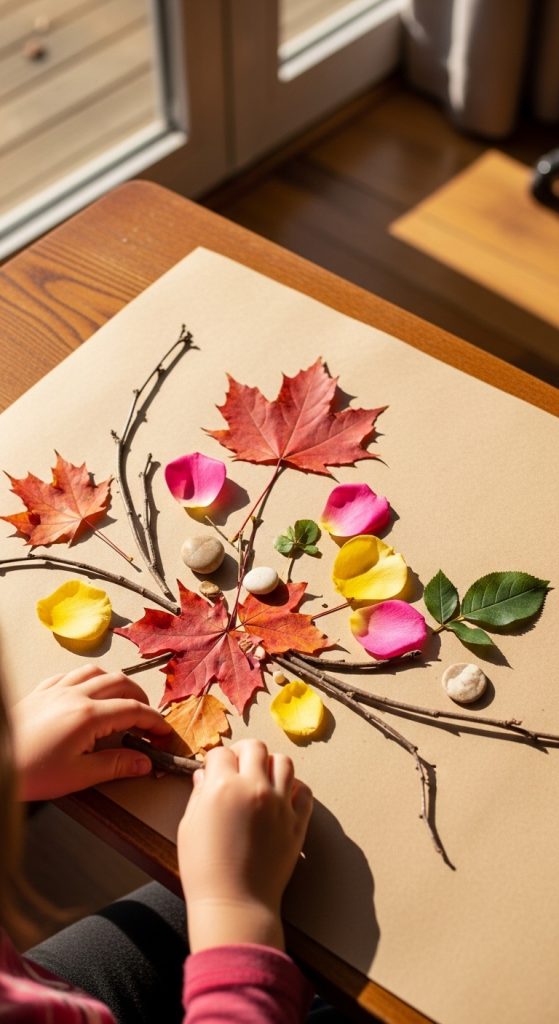
Nature collages bring the outdoors into art. Leaves, petals, sticks, and seeds can be glued to paper to form abstract designs or recognizable objects. This project encourages observation of the natural world while allowing creativity to flourish.
Benefits: Introduces textures, shapes, and environmental awareness.
How to do it:
- Collect safe, clean natural materials.
- Use a glue stick or diluted white glue.
- Let children arrange and stick items to form designs or patterns.
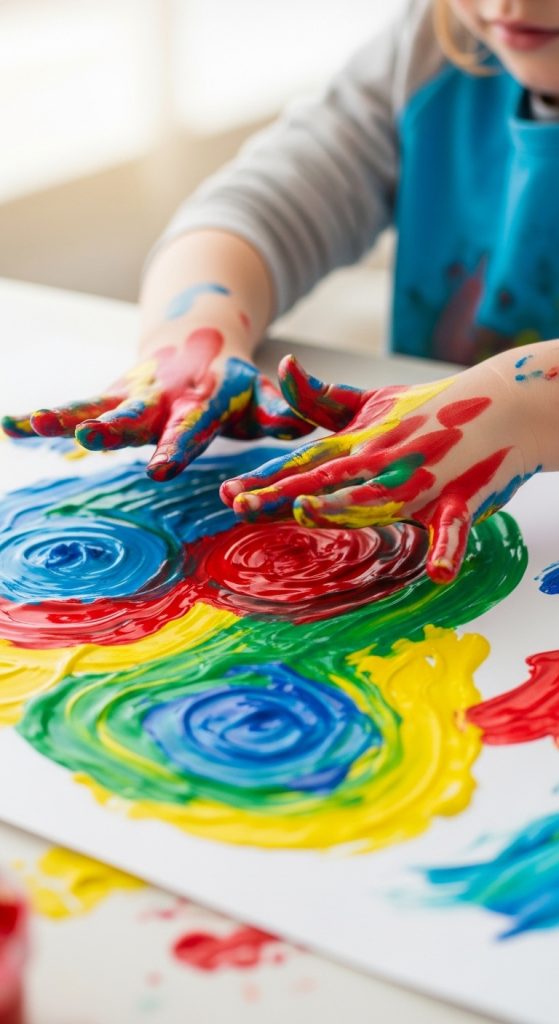
5. Finger Painting Fun
Finger painting is a preschool classic for a reason. Direct contact with the paint allows kids to explore color mixing, shapes, and textures while engaging multiple senses.
Benefits: Develops sensory skills, creativity, and motor control.
How to do it:
- Provide thick paper and washable paints.
- Encourage children to use their fingers to create abstract designs, animals, or landscapes.
- For added fun, sprinkle glitter or sand for texture.
6. Coffee Filter Art
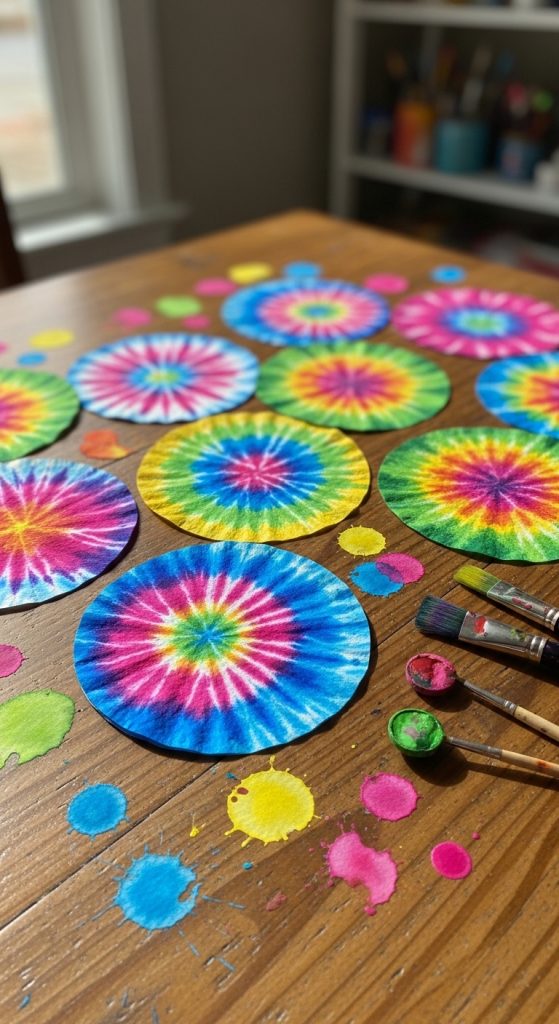
Coffee filters are inexpensive, versatile, and perfect for preschool art. Using markers and water, children can create vibrant tie-dye effects that mesmerize with color blending.
Benefits: Teaches color mixing, patience, and observation skills.
How to do it:
- Color coffee filters with washable markers.
- Spray lightly with water and watch colors blend and spread.
- Let dry, then display as flowers, butterflies, or abstract designs.
7. Salt and Watercolor Painting
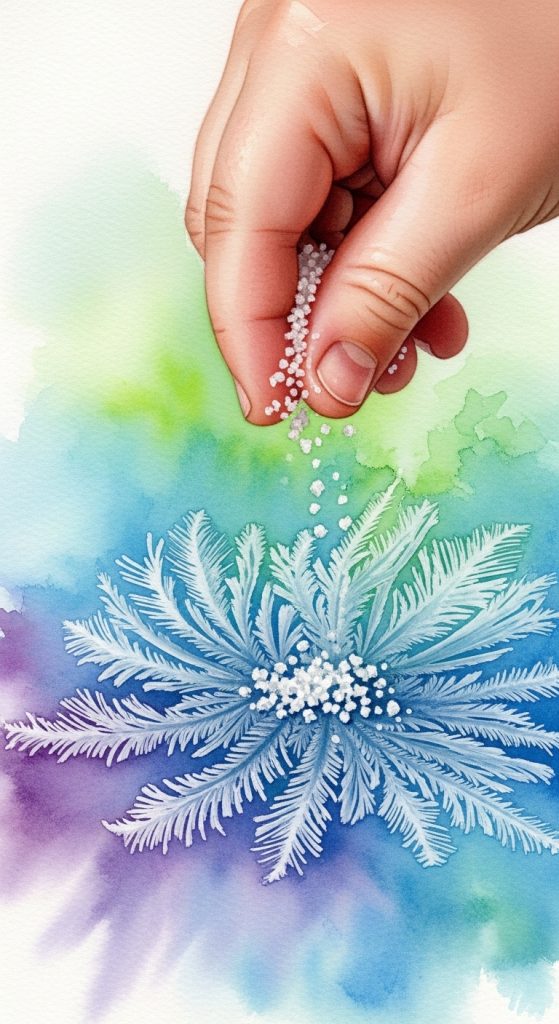
This activity combines science with art. Sprinkling salt on wet watercolor creates magical, crystalline patterns that fascinate preschoolers, making the process as captivating as the result.
Benefits: Encourages experimentation, sensory engagement, and curiosity about cause and effect.
How to do it:
- Paint with watercolors on thick paper.
- While paint is still wet, sprinkle salt over it.
- Watch as the paint reacts with the salt to form patterns.
- Once dry, gently brush off the salt.
8. Paper Plate Masks
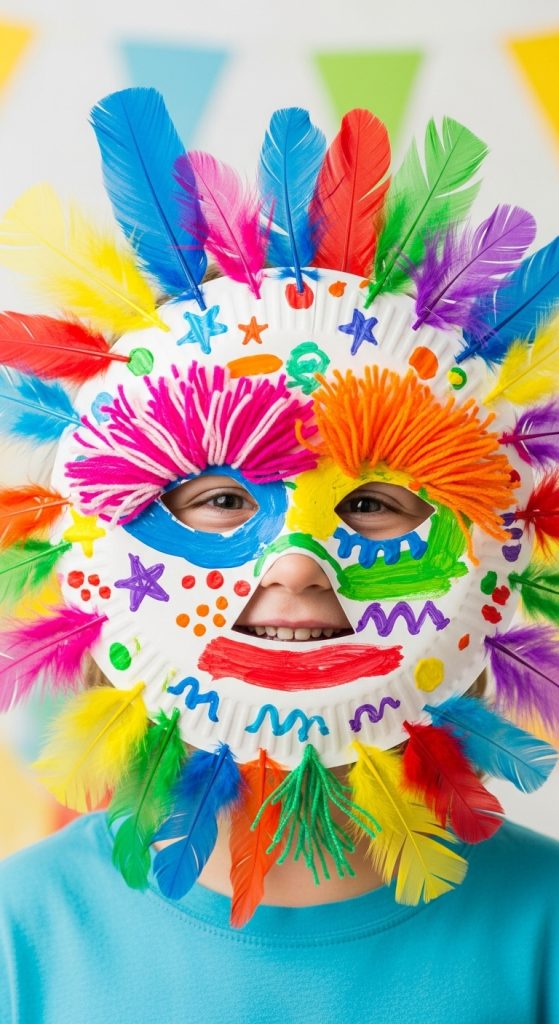
Paper plates transform into playful masks with the addition of paint, yarn, feathers, and markers. Children can create animals, superheroes, or imaginary creatures, combining art with imaginative play.
Benefits: Encourages storytelling, creativity, and fine motor skills.
How to do it:
- Cut eye holes in paper plates.
- Use paints, crayons, markers, and craft materials to decorate.
- Attach a popsicle stick or elastic for wearing the mask.
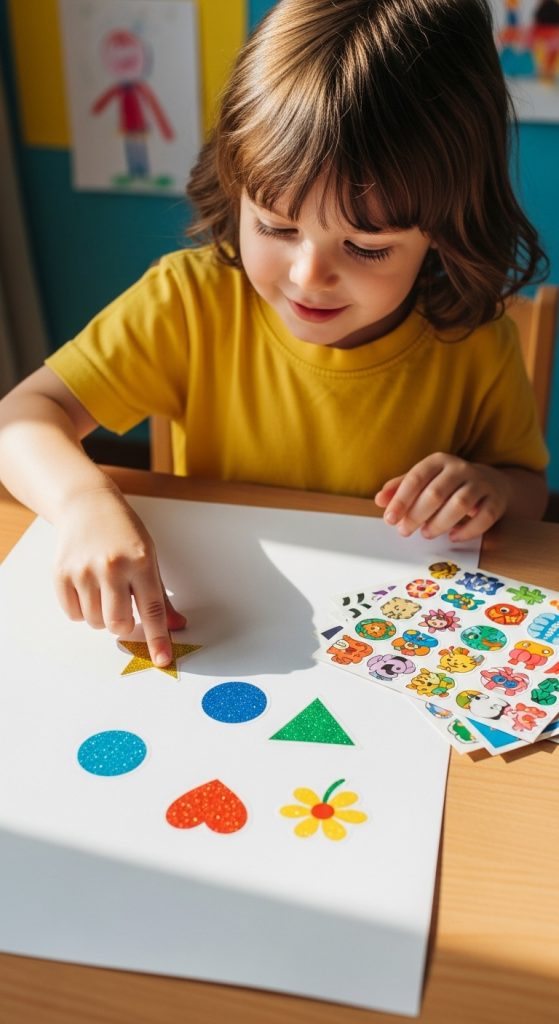
9. Sticker Art Creations
Stickers are a preschooler’s dream for independent art. Children can create scenes, patterns, or abstract designs with colorful stickers, developing spatial awareness and creativity.
Benefits: Improves fine motor skills, hand-eye coordination, and design thinking.
How to do it:
- Provide sheets of colorful stickers and blank paper.
- Let children arrange stickers in patterns, stories, or freeform designs.
- Layering and overlapping stickers adds complexity and fun.
10. Q-tip Pointillism
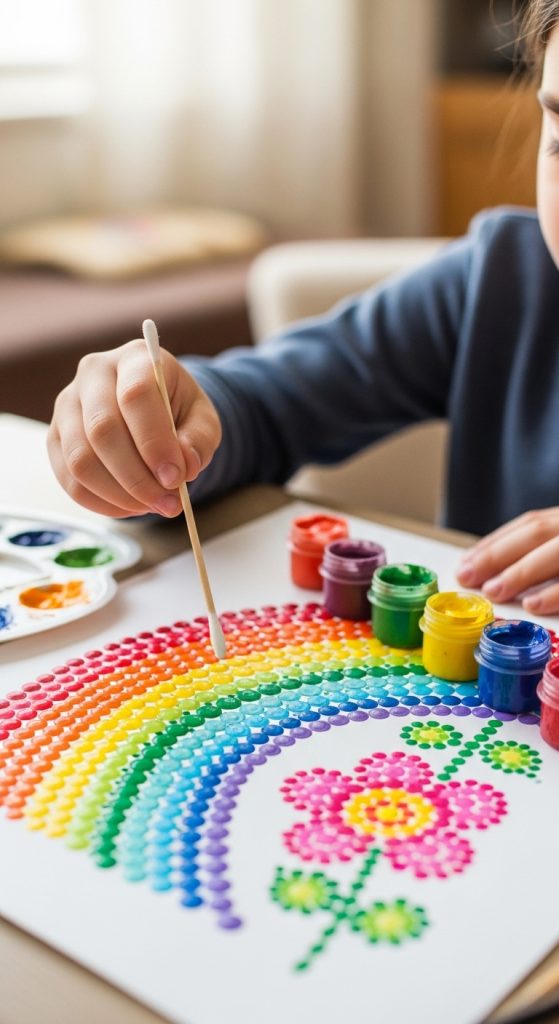
Using Q-tips for pointillism is an excellent way for preschoolers to experiment with dots and patterns. Children can create simple images like rainbows, flowers, or animals using tiny dots of paint, encouraging focus and precision.
Benefits: Develops concentration, hand control, and understanding of patterns and colors.
How to do it:
- Dip Q-tips into paint.
- Press onto paper to create dots and designs.
- Use multiple colors to make vibrant, eye-catching compositions.
Tips to Make Preschool Art Even More Engaging:
- Use washable materials: Safety first! Always choose non-toxic, child-friendly supplies.
- Encourage exploration, not perfection: The process is more important than the final result.
- Display their work: Celebrate creativity by hanging artworks around the home or classroom.
- Combine art with stories: Ask children to explain their creations, fostering language and imagination.
- Keep sessions short: Young children have limited attention spans—15-30 minutes is often enough.